December 16, 2025
Septic systems play a vital role in managing wastewater for homes that aren't connected to a public sewer system. While septic tanks are designed to last for decades, like any other part of your home's infrastructure, they can eventually wear out. Over time, your septic system may show signs that indicate it's no longer functioning properly. If neglected, a failing septic tank can lead to severe issues such as groundwater contamination, foul odors, and costly repairs. According to the Environmental Protection Agency (EPA), 56% of septic tanks fail to pass inspections, which can cause serious concerns for homeowners.
If you're experiencing issues with your septic system, it's essential to recognize the warning signs that it may be time for a septic tank replacement. In this article, we will explore common signs that your septic tank is due for replacement and offer guidance on how to determine when it's time to replace your septic system.
1. Frequent Clogs and Backups
Frequent clogs and backups in your plumbing are one of the most obvious signs that your septic system may be nearing the end of its life. If your home experiences regular plumbing issues, especially if these issues worsen over time, it may indicate that your septic tank is full or the drain field is saturated. When your septic tank is near full or its drain field is compromised, wastewater will have nowhere to go, causing it to back up into your sinks, bathtubs, and toilets. This is not only inconvenient but also a major health hazard. If left unchecked, these backups can damage your home's plumbing and lead to serious environmental issues.
2. Slow Draining Fixtures
Slow-draining fixtures in your home can also signal that your septic system is struggling. If you notice that your sinks, tubs, and toilets drain more slowly than usual, this could be a sign that your septic tank is near failure. The slower drainage occurs when the system is unable to handle the waste it's meant to process, resulting in a bottleneck. Over time, the buildup of waste can prevent wastewater from flowing smoothly, leading to slower drainage. If this problem continues, it's likely that the septic tank needs replacement or extensive repairs.
3. Foul Odors Around Your Property
Foul odors around your property are another sign that your septic tank may be failing. If you begin to notice the smell of sewage or rotten eggs near your septic tank or drain field, this could indicate that your system is malfunctioning. A septic tank emits unpleasant odors when it becomes too full or develops leaks, allowing untreated wastewater to seep into the soil. The stench may be particularly strong after heavy rainfall, which can saturate the ground around your septic system and push wastewater to the surface. These odors are not only unpleasant but also a clear indication that the septic system is no longer functioning properly and might need to be replaced.
4. Pooling Water and Lush Green Patches
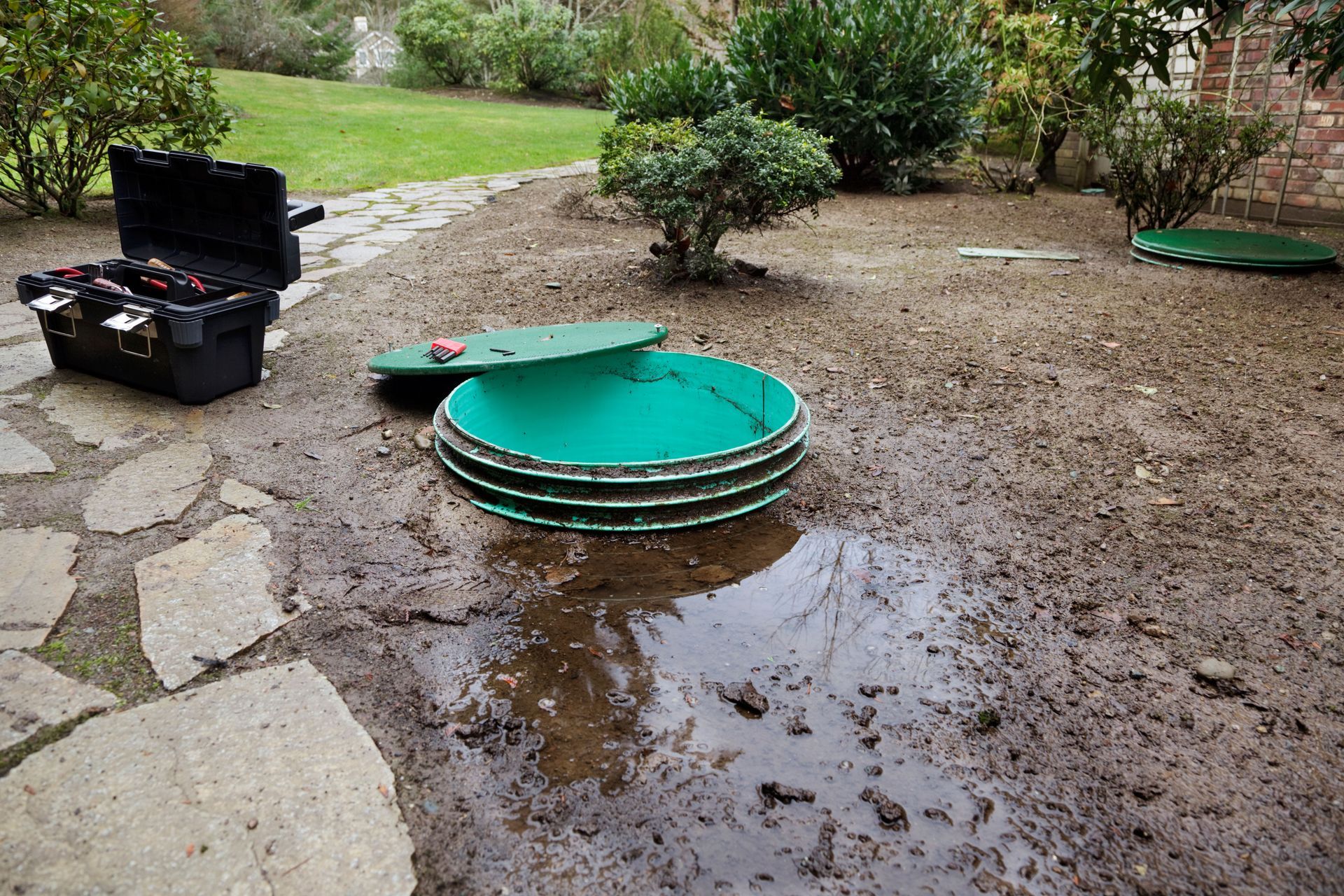
If you notice pooling water or unusually lush green patches in your yard, especially near the septic tank or drain field, this could indicate that your septic system is failing. While it's normal for the grass around a septic system to be greener, standing water or excessively lush patches of grass can be a sign of a saturated drain field. When the drain field becomes overwhelmed with wastewater, it can no longer absorb effluent properly, causing water to pool on the surface. The excess moisture can also encourage the grass to grow more vigorously in certain areas, leading to unnatural green patches. This is a clear indicator that the system is failing and might need to be replaced.
5. Gurgling Sounds in Your Plumbing
Gurgling sounds coming from your pipes can also suggest that your septic system is malfunctioning. If you hear gurgling or bubbling noises when you flush a toilet, drain a sink, or use any plumbing fixtures, it could be a sign that there is a blockage or backup in the septic system. The gurgling occurs when air becomes trapped in the plumbing due to a problem with the septic tank or its components. When the tank can no longer effectively process wastewater, it can cause airlocks in the pipes, creating the familiar gurgling sounds. This is a warning sign that your septic system may need to be replaced soon.
6. System Age
The age of your septic tank plays a significant role in determining when it needs replacement. Most septic systems are designed to last 20 to 30 years, depending on usage, maintenance, and the materials used. If your septic tank is approaching or has exceeded this lifespan, it may be time to start considering a replacement. As septic systems age, their components can deteriorate, leading to structural issues, leaks, and reduced efficiency. If your septic tank is more than 30 years old, it's likely time for a replacement, even if it hasn't shown significant signs of failure yet.
7. Frequent Septic Tank Maintenance Failures
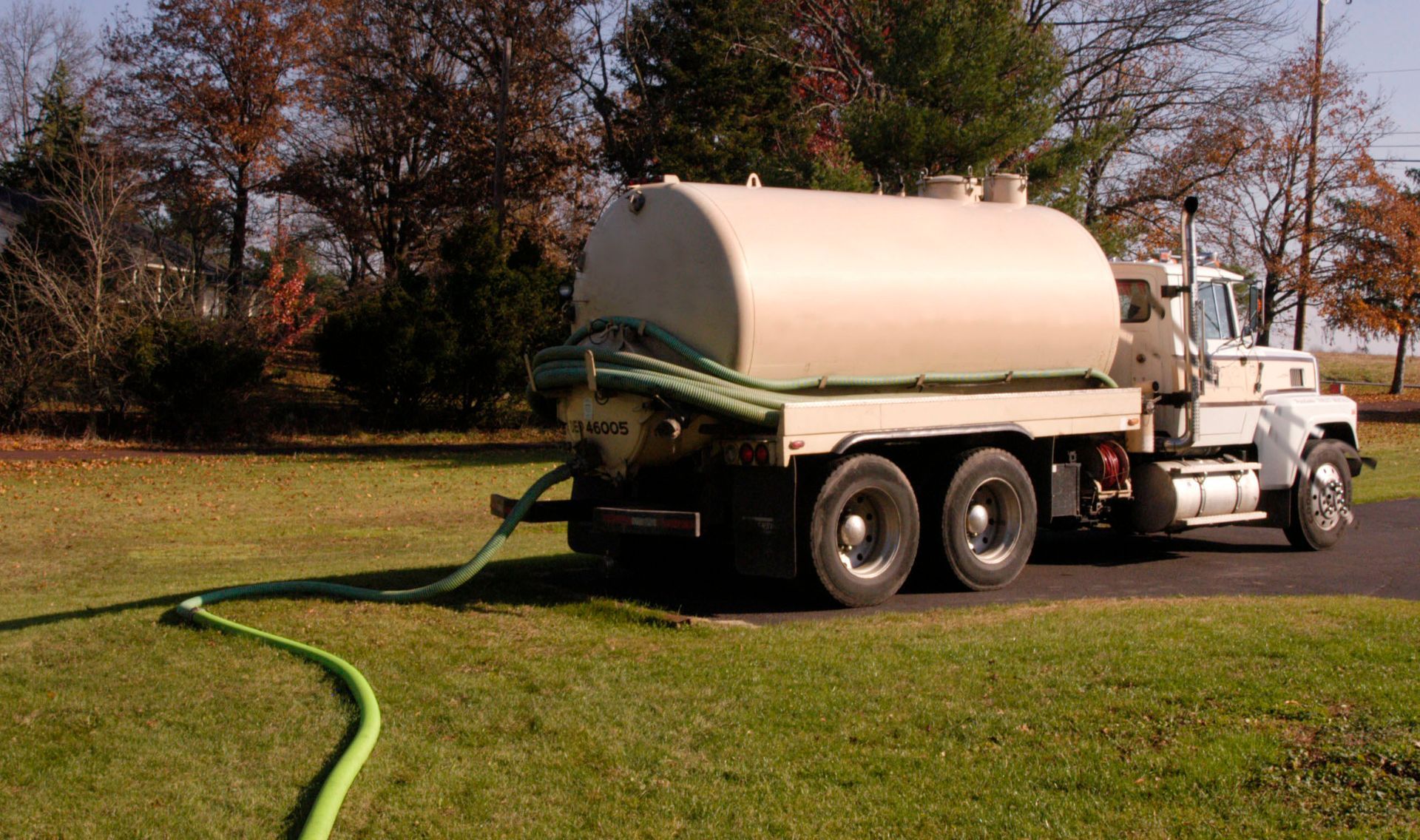
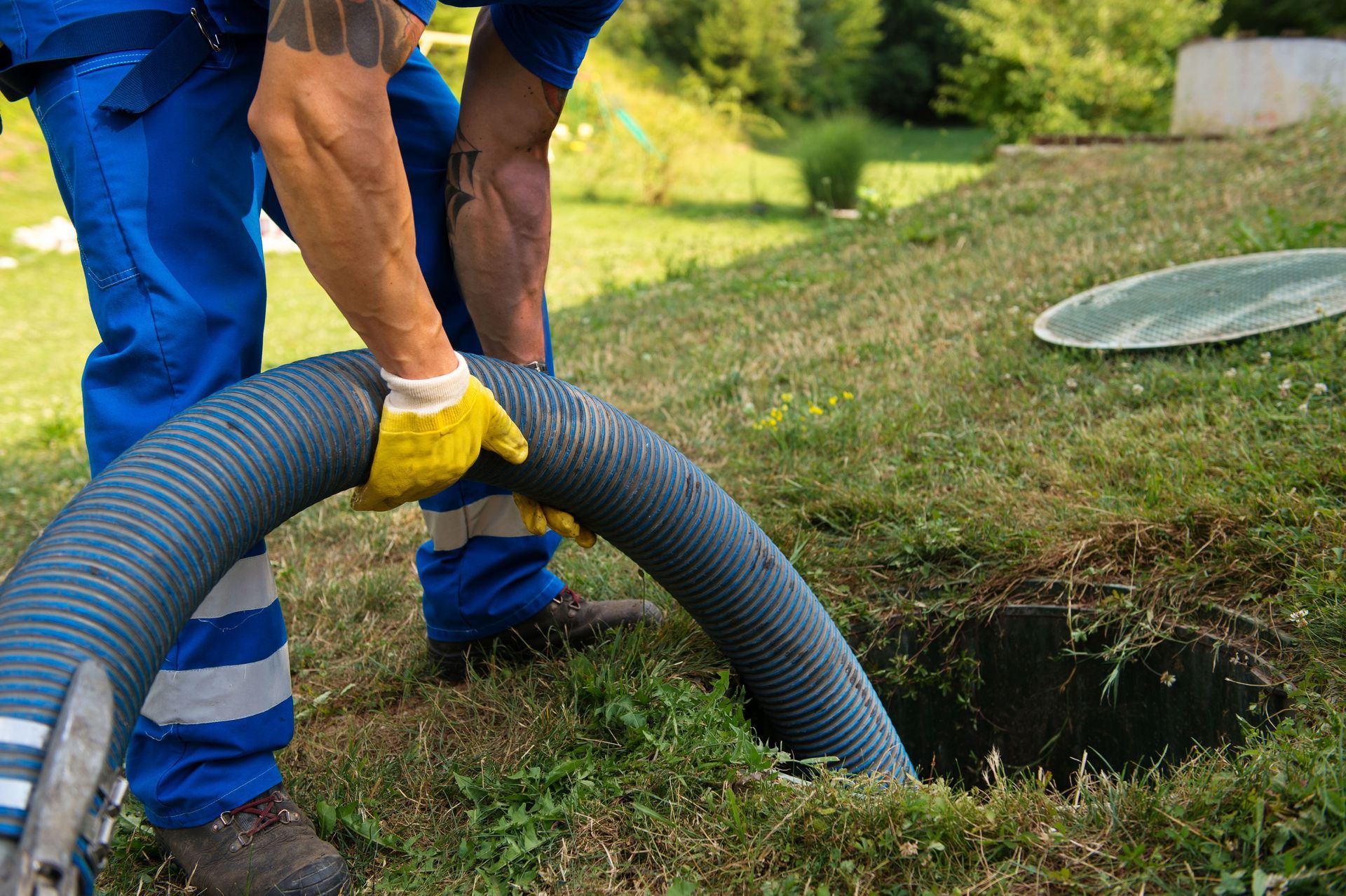
If your septic tank requires frequent pumping and maintenance despite regular inspections, this could indicate that the system is no longer functioning efficiently and may need replacement. While all septic systems require maintenance, having to pump out waste every few months instead of every few years suggests that the tank is nearing the end of its useful life. Frequent pumping typically occurs when the tank is unable to handle the waste it receives, leading to reduced capacity and frequent blockages. If your septic tank is being pumped regularly, it might be time to replace it before more serious issues arise.
8. Increased Water Bills
A significant spike in your water bill could also be an indirect sign that your septic system is failing. While water bills can increase for various reasons, a sudden and unexplained rise in water usage can sometimes be linked to a malfunctioning septic system. If your septic tank is no longer processing wastewater efficiently, it may cause wastewater to flow more frequently into your plumbing system, resulting in higher water usage. If you notice that your water bills are climbing, it's worth investigating whether your septic system is contributing to the problem.
If your septic system is showing signs of failure, such as frequent backups, foul odors, slow drainage, or standing water in your yard, it's essential to take action as soon as possible. Septic tank replacement is a significant investment, but ignoring these warning signs can lead to more costly repairs and potential damage to your property. Regular maintenance and inspections are key to extending the life of your septic system, but when the signs of failure are present, it's better to address the issue early before it worsens.
Taking care of your septic system is essential for maintaining a healthy and functional home. If you're experiencing any of the signs mentioned in this article, consider scheduling a septic tank inspection to avoid future headaches and costly repairs. When in doubt, always consult a septic tank professional who can guide you through the replacement process and help ensure your home remains in top condition.
Contact Superior Sewer Co today to schedule an inspection and ensure your system is functioning properly. If it's time for a septic tank replacement, don't hesitate to take the necessary steps to protect your property and ensure your septic system runs smoothly for years to come.