May 15, 2026
Maintaining the integrity of a home involves more than just attending to the visible aesthetics of the kitchen or the curb appeal of the front lawn. Beneath the foundation lies a complex network of pipes that facilitates the daily comforts of modern life. Among these, the main waste line is perhaps the most critical component, acting as the silent highway that transports wastewater away from the residence. When this system functions correctly, it is easily forgotten; however, when it falters, the consequences can be swift and unpleasant. Recognizing the early warnings of a compromise within this underground infrastructure is essential for avoiding catastrophic property damage and ensuring the health of the household.
The complexity of these systems means that issues often begin far from the sight of the homeowner. Whether due to the age of the materials, the intrusion of thirsty root systems, or the gradual buildup of household debris, the passage of waste can become restricted or entirely blocked. Ignoring these signals often leads to a full-scale failure that requires immediate professional intervention. By staying vigilant and understanding the subtle shifts in your home’s plumbing behavior, you can address minor concerns before they necessitate extensive and costly sewer repairs. The following signs serve as a comprehensive guide to identifying potential failures within your primary waste management system.
Identify Multiple Clogged Fixtures
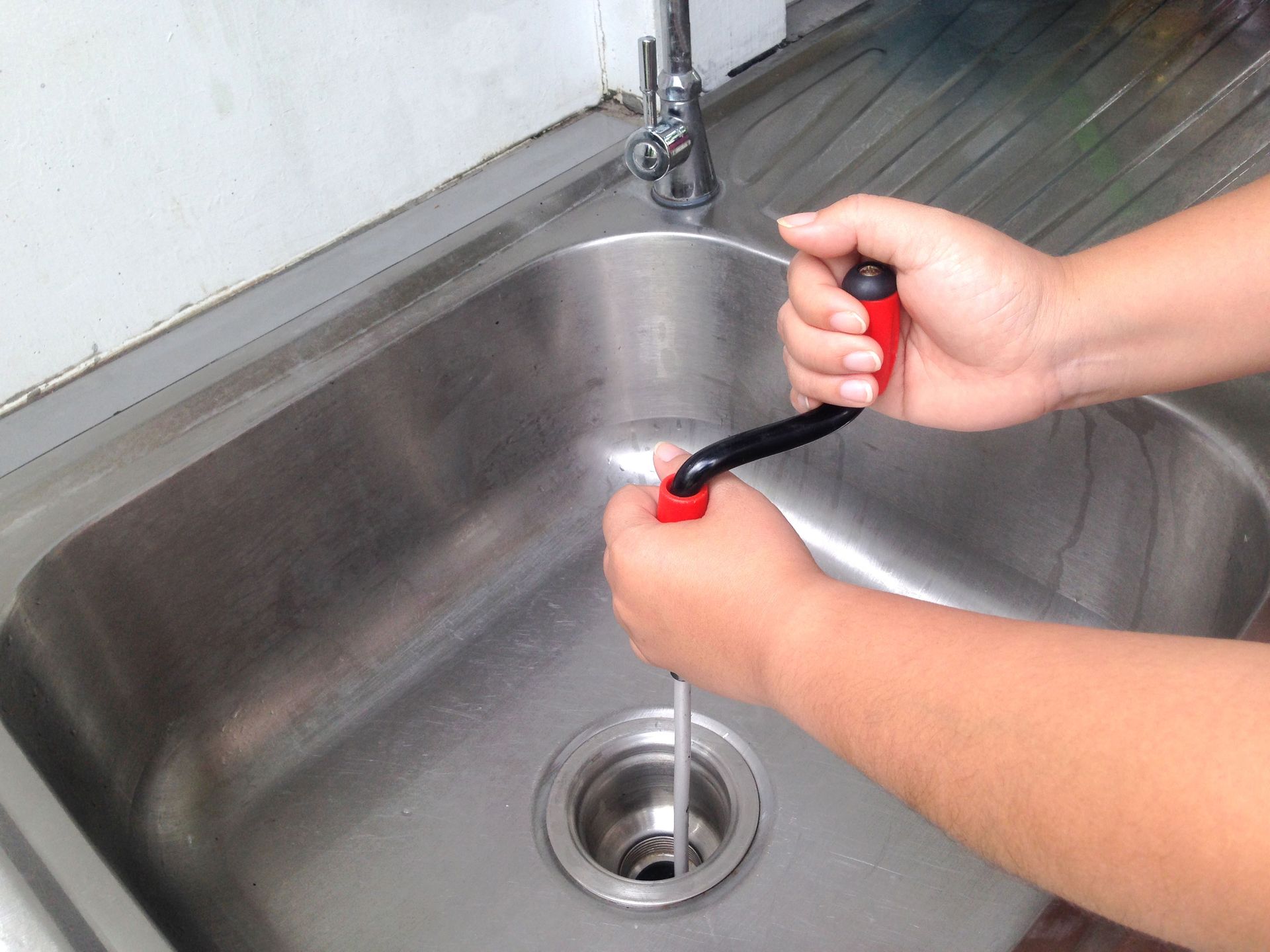
One of the most telling indicators that a problem exists within the main line, rather than a single pipe, is the simultaneous failure of several drains. If the kitchen sink, the guest bathroom shower, and the laundry basin all begin to drain slowly at the same time, the culprit is likely the shared path they all use to exit the home. A single blockage in a bathroom can be handled with a simple plunger; a systemic backup suggests a deeper obstruction that prevents the exit of wastewater.
In these situations, the pressure within the system begins to fluctuate, leading to unpredictable behavior across the entire floor plan. Homeowners might notice that while one fixture struggles to empty, another begins to gurgle or bubble. This happens because the trapped air in the pipes is looking for a way to escape as the water pushes against the blockage. According to Gitnux, clogged drains or sewer line issues account for around 60% of plumbing-related emergency calls. This high frequency underscores why observing multiple slow drains should be taken seriously as a precursor to significant sewer repairs.
Observe Unusual Noises From Drains
A healthy plumbing system should operate with a relatively quiet efficiency. While the sound of rushing water is normal, loud gurgling or thumping noises are cause for concern. These sounds often occur when air is forced through standing water in the traps of your fixtures. If you hear a bubbling sound coming from the toilet after running the bathroom sink or while the washing machine is in a spin cycle, it indicates that the air in the system is displaced. This is a common symptom of a partial blockage that is narrowing the diameter of the main line.
The rhythmic nature of these sounds often points toward a struggle for equilibrium within the pipes. As the water attempts to navigate past a snag, such as a thicket of tree roots or a mass of solidified grease, it creates a vacuum effect. This vacuum pulls air through the closest available opening, which is often the water seal in a nearby toilet or shower drain. Left unaddressed, these auditory warnings will eventually transition into physical backups. Catching the issue during the "gurgling phase" allows for a more controlled diagnostic process before the situation demands emergency sewer repairs.
Monitor Persistent Foul Odors
A primary function of any waste system is to contain and whisk away the unpleasant scents associated with sewage. Every drain in a home is equipped with a P-trap, a U-shaped pipe designed to hold a small amount of water that acts as a barrier against sewer gases. However, when a main line is damaged or blocked, the pressure can fluctuate enough to siphon the water out of these traps. Without this water seal, the pungent odor of hydrogen sulfide and other gases can seep into the living areas of the home.
If a distinct smell of rotten eggs or raw sewage begins to permeate the basement, bathrooms, or even the yard, it is a clear sign that the system is no longer airtight. These odors are not just an inconvenience; they can be harmful if inhaled in high concentrations over long periods. Furthermore, persistent smells often indicate that there is a leak in the line where sewage is escaping into the soil surrounding the foundation. This saturation of the earth can lead to structural instability and requires a professional to evaluate the need for subterranean sewer repairs.
Inspect For Lush Patches In The Yard
While most signs of a plumbing failure occur inside the home, the landscape often provides the most visible external clues. A leaking sewer pipe acts as an unintended source of irrigation and fertilization for the grass and plants above it. If you notice a specific area of the lawn that is significantly greener, taller, or more vibrant than the surrounding grass, it may be receiving extra nutrients from a cracked pipe beneath the surface. While a thriving garden is usually a positive sign, a localized "super-growth" in a straight line often traces the path of the waste line.
Watch For Water Backing Up In Unexpected Places
One of the most confusing and alarming signs of a main line blockage is the redirection of water into fixtures that are not even in use. Because the main line is the lowest point of the system, a blockage there forces water to find the next lowest exit point. This often means that when you flush a toilet on an upper floor, the water may emerge from a shower drain or a floor drain in the basement. This crossover of waste is a definitive sign that the main exit is completely obstructed.
This phenomenon is especially common in homes with multiple levels. The sheer volume of water from a toilet flush or a full bathtub creates enough pressure to push existing standing water back up through the pipes. If you notice the water level in the toilet bowl rising and falling when you run the sink, or if soap suds from the washing machine appear in the bathtub, the system is no longer venting or draining correctly. These instances of cross-contamination are urgent signals that the system is on the verge of a total overflow, making professional sewer repairs an immediate priority.
Maintaining a home requires a balance of observation and action. The sewer system is a robust but sensitive network that provides an essential service every hour of every day. By learning to interpret the subtle language of slow drains, strange noises, and changing landscapes, a homeowner can act as a steward of their property’s health. Taking these signs seriously prevents the stress and destruction of a sewage backup and ensures that the hidden infrastructure of the home remains strong. When the signs point toward a compromise, seeking expert assistance is the most effective way to restore order and safety to your living environment.
At Superior Sewer & Plumbing Company, we understand the urgency of these hidden issues and are dedicated to providing the expert diagnostics and reliable solutions necessary to keep your home’s infrastructure flowing perfectly for years to come.