July 30, 2026
Sewer and septic systems are essential parts of many residential and commercial properties, but much of their infrastructure remains hidden underground. Because these systems are not always visible, problems can develop without obvious warning signs until they become serious. A sewage inspection provides an opportunity to examine the condition of important components and identify concerns before they create major disruptions. The process may be useful when buying or selling a property, investigating recurring drainage issues, or evaluating an aging system. Knowing what to expect can make the inspection process easier and help property owners understand the condition of their wastewater infrastructure. According to the EPA, septic tanks can remain in service for approximately 50 years, although their actual lifespan depends on maintenance, installation quality, usage, and surrounding conditions. A professional inspection can help determine whether a system is functioning properly or showing signs of deterioration. Working with an experienced sewer company can give property owners access to the equipment and knowledge needed to evaluate underground wastewater systems.
Understanding the Inspection Process
A sewage inspection typically begins with an assessment of the property's wastewater system and the concerns that led to the inspection. The inspector may ask about drainage problems, backups, odors, previous repairs, or other symptoms that have been noticed. They may also review available information about the property's sewer or septic system before beginning the physical inspection. The exact process can vary depending on the type of system installed and the accessibility of its components. Residential properties connected to municipal sewer lines may require a different evaluation than properties that rely on private septic systems. The inspector will generally focus on identifying conditions that could affect performance, safety, or long-term reliability. A thorough evaluation may involve visual assessments, specialized equipment, and access to underground components. A sewer company can explain the inspection process and help property owners understand what areas will be evaluated.
Locating Important System Components
Before an inspection can be completed, the inspector needs to identify the location of important sewer or septic components. These may include cleanouts, access points, drain lines, septic tanks, distribution boxes, and other parts of the wastewater system. Some components may be easy to locate, while others may be buried beneath soil, landscaping, driveways, or other structures. Property records and previous installation information may help identify where the system is located. In some cases, specialized tools may be used to locate underground pipes or access points. Finding these components is important because an inspector cannot fully evaluate areas that cannot be reached or identified. Property owners may need to provide information about past repairs or changes to the plumbing system. A sewer company can help locate difficult-to-find components and determine the most practical way to access them for inspection.
Evaluating Drainage and Flow
The way wastewater moves through the system can provide important information about its overall condition. An inspector may evaluate whether drains are flowing properly and whether wastewater appears to be moving through the system without significant restrictions. Slow drains, recurring backups, or standing water may indicate blockages or problems farther along the line. Specialized cameras may also be used to view the interior of sewer pipes and identify issues that cannot be seen from the surface. These inspections can reveal cracks, root intrusion, collapsed sections, buildup, or other conditions affecting the line. The inspector may also assess whether the system has appropriate connections and appears to be functioning as intended. Identifying flow problems early can help property owners address issues before a more severe backup occurs. A sewer company can use inspection findings to explain potential drainage concerns and recommend appropriate next steps.
Inspecting Pipes and Connections
The condition of the pipes is an important part of any sewage inspection. Underground pipes can deteriorate over time because of age, ground movement, corrosion, tree roots, or other environmental factors. Older systems may contain materials that are more vulnerable to cracking, shifting, or breaking than newer installations. A camera inspection can provide a close look at the interior of many accessible sewer lines. The inspector may look for visible damage, blockages, separated joints, and other irregularities. Connections between different sections of the system may also require careful evaluation. Problems in one part of the line can affect the performance of the entire wastewater system. A sewer company can help property owners understand whether a pipe issue requires cleaning, repair, replacement, or additional investigation.
Checking Septic Tank Conditions
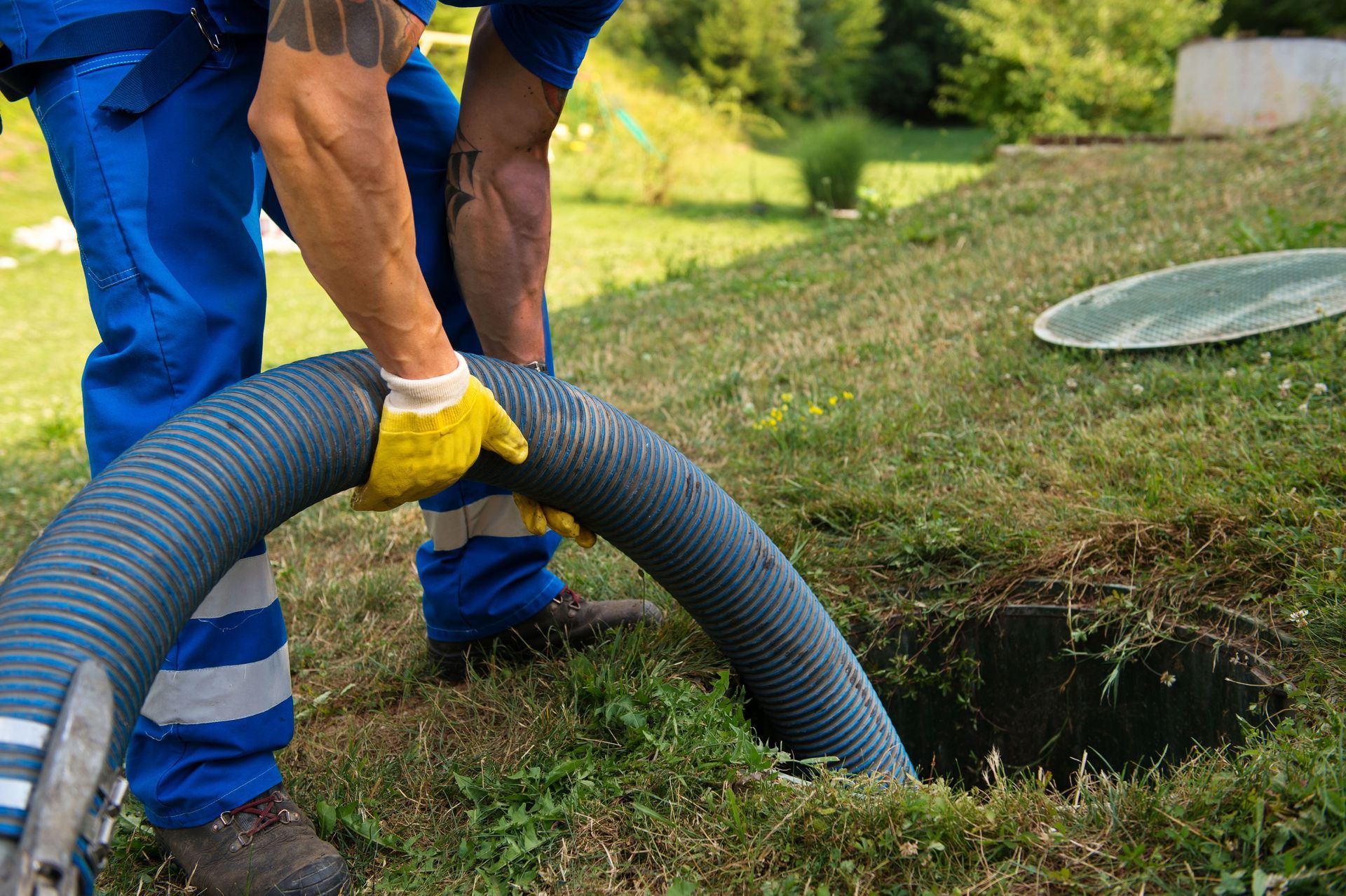
Properties with septic systems require an inspection of the tank and related components. The inspector may evaluate the tank's structural condition, access points, liquid levels, and visible signs of damage. They may also look for evidence that the tank is receiving appropriate flow from the property's plumbing system. A septic tank inspection can reveal concerns such as cracks, leaks, excessive solids, or other conditions that may affect system performance. The surrounding drain field may also require attention because wastewater treatment depends on more than the tank alone. The inspector may consider soil conditions, standing water, odors, and other signs that could indicate a problem. Regular maintenance and appropriate usage can influence how well a septic system performs over time. A sewer company with septic inspection experience can help property owners understand the condition of the tank and related wastewater components.
Identifying Potential Warning Signs
A sewage inspection may uncover several warning signs that property owners should not ignore. Unusual odors can suggest problems with wastewater containment, drainage, or ventilation. Frequent backups may indicate blockages, damaged pipes, or inadequate system capacity. Wet areas in the yard can sometimes point to leaks or problems with underground wastewater components. Slow drains throughout the property may also suggest that a larger issue exists beyond an individual fixture. Unusual sounds from plumbing fixtures can provide another clue that air or wastewater is not moving normally through the system. The inspector may also identify visible damage around access points or areas where wastewater infrastructure has been disturbed. Recognizing these warning signs can help property owners address problems before they become more expensive or disruptive. A sewer company can investigate the source of these symptoms and help determine whether additional testing or repairs are needed.
Reviewing the Inspection Findings
Once the physical inspection is complete, the inspector should explain the findings in a clear and understandable way. A report may describe the condition of the pipes, tank, access points, and other inspected components. It may also identify current problems and conditions that could become concerns in the future. Property owners should ask questions about any terminology or recommendations they do not understand. Photos, videos, or other documentation may help explain what was found inside underground pipes or other difficult-to-access areas. The findings can be especially important during a real estate transaction because they may influence future maintenance or repair decisions. Not every issue identified during an inspection requires immediate replacement or major construction. A sewer company can help property owners understand the severity of findings and prioritize the appropriate next steps.
Planning Necessary Repairs
An inspection is often the first step toward determining what repairs or maintenance may be needed. Minor blockages may be resolved through professional cleaning, while damaged pipes may require more extensive repair methods. Some systems may benefit from targeted repairs rather than complete replacement. The appropriate solution depends on the location, severity, and cause of the problem. Property owners should also consider whether a temporary repair will address the underlying issue or only provide short-term relief. A professional can explain the available options and help identify the approach that fits the condition of the system. Addressing problems promptly may help reduce the chance of backups, property damage, or more extensive system failures. A sewer company can provide recommendations based on the inspection findings and help property owners plan the next stage of service.
Understanding the findings can help property owners determine whether the system requires cleaning, repairs, replacement, or continued monitoring. Professional inspections can be especially helpful when purchasing a property or investigating recurring wastewater problems. If you need a detailed evaluation of your sewer or septic system, Superior Sewer & Plumbing Company can provide professional assistance tailored to your property's needs. Contact us today to schedule a sewage inspection and learn more about the condition of your wastewater system.