March 6, 2026
Your sewer line is a vital part of your home's plumbing, yet it’s often neglected until problems arise. Proper care and maintenance of your sewer line can prevent costly repairs and keep wastewater flowing smoothly. In this article, we’ll cover essential practices for maintaining your sewer line effectively. With proactive attention, homeowners can avoid clogs, backups, and other issues, making sewer line care straightforward and stress-free. Regular attention to sewer line health also helps maintain the overall integrity of your plumbing system, reduces unpleasant odors, and ensures a cleaner, safer home environment.
Understanding Your Sewer Line
Components and Materials
Sewer lines include pipes, cleanouts, connectors, vents, valves, and traps that collectively ensure proper flow and prevent backflow. Pipes can be made of clay, cast iron, PVC, or ABS plastic. Clay and cast iron are durable but can corrode or crack over time. PVC and ABS are more resistant to chemicals and root intrusion. Knowing the type of sewer line in your home is key to tailoring maintenance practices and scheduling professional sewer line services when needed. Additionally, proper knowledge of the materials and components can help homeowners communicate effectively with professionals and understand potential vulnerabilities in their system.
Common Problems and Warning Signs
Sewer lines are prone to clogs from debris, grease, and non-flushable items. Tree root intrusion and shifting soil can cause misalignment or breaks. Signs of issues include slow drains, foul odors, gurgling sounds, wet spots, sinkholes, and frequent backups. Monitoring water pressure and changes in bills can also help identify potential problems early. Recognizing these warning signs allows timely intervention and reduces the need for emergency sewer line services. Early detection also minimizes the impact on daily life and prevents environmental contamination caused by leaks or overflows.
Preventative Measures to Avoid Clogs
Proper Flushing Practices
Only flush toilet paper and human waste. Items like wipes, paper towels, and sanitary products can cause blockages. Educate all household members and consider reminders in bathrooms to reinforce this practice, helping reduce the likelihood of needing sewer line services. Implementing household rules around flushing can prevent common mistakes that result in clogs and backups.
Drain Cleaning and Screens
Routine drain cleaning with hot water, vinegar, or boiling water helps prevent buildup. Installing drain screens can catch hair, food particles, and debris before they enter pipes. Regular cleaning and screen maintenance support smooth wastewater flow and complement professional sewer line services. Over time, even minor accumulations can harden into significant blockages, so consistent cleaning is a simple, low-cost preventative measure.
Food Waste and Grease Management
Dispose of large food scraps in compost bins instead of sinks. Cool grease, fats, and oils should be discarded in trash bins. Proper handling of food waste prevents clogs and reduces reliance on emergency sewer line services. Educating family members on what goes down the drain can prevent recurring problems and lower maintenance costs over time.
Monitoring Water Pressure
Maintaining water pressure between 40-60 psi protects pipes from stress and potential damage. Pressure regulators are recommended for homes with fluctuating pressure, ensuring sewer lines remain intact and reducing repair needs. Monitoring water pressure regularly can also detect subtle leaks that might otherwise go unnoticed until they cause major issues requiring professional sewer line services.
Protecting Sewer Lines Through Landscaping
Plant Selection and Placement
Choose plants with less aggressive roots near sewer lines. Avoid bamboo and large trees that require expansive root systems. Proper placement minimizes root intrusion and the need for frequent sewer line services. Safe distances and root barriers offer additional protection. In addition, regular yard inspections can help detect any encroaching roots early, allowing timely corrective measures before serious damage occurs.
Inspections and Professional Assistance
Inspection Frequency
Regular inspections are vital for system health. According to Utility Contractor Magazine, you should have your sewer line inspected once a year. Professional inspections catch issues early, preventing costly repairs. Homes with older systems may require more frequent attention. Employing sewer line services ensures accurate diagnosis and maintenance. Combining annual inspections with periodic visual checks at home enhances the reliability of your system and reduces the risk of unexpected emergencies.
DIY Checks and Professional Help
Homeowners can monitor drains and listen for unusual sounds. However, simultaneous fixture backups, suspected root intrusion, or visible leaks require immediate professional sewer line services to prevent extensive damage. Even small DIY inspections can alert homeowners to potential problems before they become critical.
Cost-Benefit Considerations
Investing in regular sewer line maintenance and professional services may seem costly, but it is far less than emergency repairs. Routine upkeep prevents property damage and health hazards, ensuring long-term plumbing reliability. Over time, the cost of preventive sewer line services is significantly lower than the expense of major replacements or environmental cleanup after a failure.
Inspection Technologies
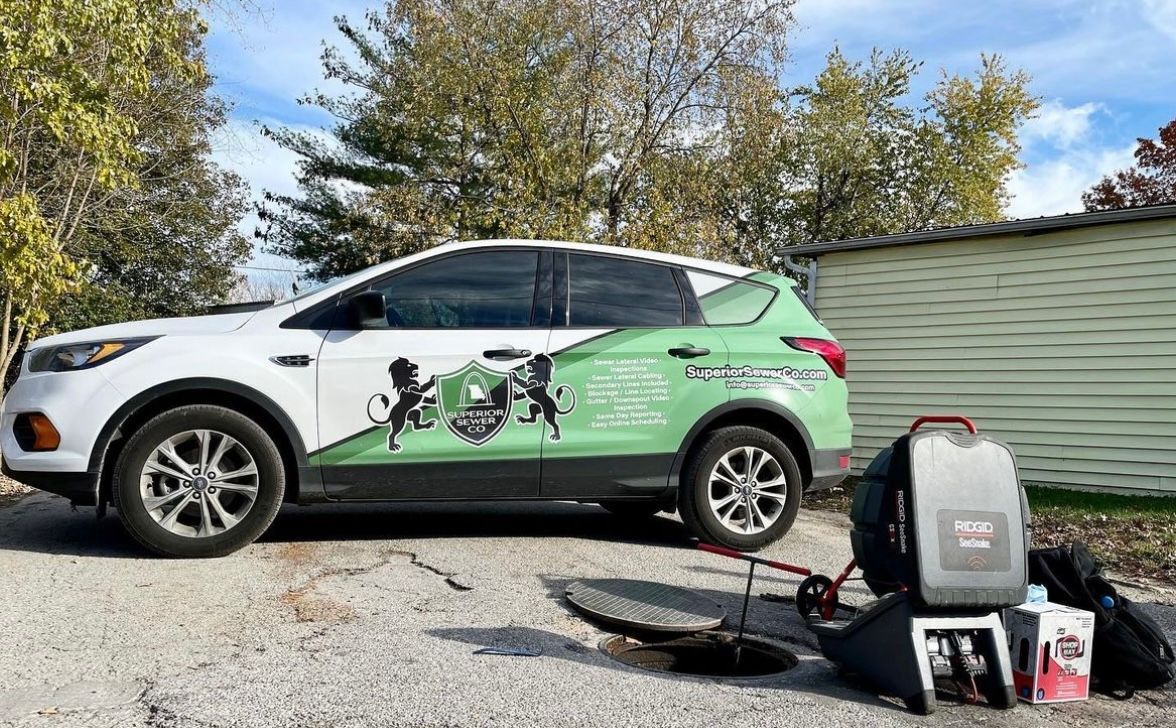
Modern sewer inspections use robotic cameras and acoustic equipment to detect blockages or leaks without invasive digging. Employing these technologies during professional sewer line services helps identify problems early and extend the system's lifespan. Detailed imaging also aids in planning repairs efficiently, avoiding unnecessary disruptions to landscaping or property structures.
Professional Sewer Line Cleaning
Cleaning Methods
Hydro jetting uses high-pressure water to remove debris and roots. Mechanical augers scrape buildup, while carefully selected chemical cleaners dissolve clogs. Each method is chosen based on pipe conditions and blockage types, forming part of regular sewer line services. Selecting the right method prevents future complications and prolongs pipe life.
Benefits of Regular Cleaning
Consistent cleaning prevents overflows, extends pipe lifespan, maintains flow efficiency, and reduces water usage costs. Scheduled professional sewer line services provide peace of mind and protect property investments. Cleaning also helps maintain healthy indoor and outdoor environments by preventing odor issues and potential contamination from leaks.
Choosing Qualified Professionals
Check certifications, licenses, and customer reviews. Experienced professionals provide transparent pricing and clear explanations of necessary repairs. Ensuring qualifications guarantees high-quality sewer line services. A reliable professional will also advise on preventative measures, helping homeowners minimize future issues.
Cost and Duration
Costs vary by method, blockage severity, and location. Hydro jetting is thorough but more expensive. Most residential cleanings last several hours. Understanding pricing and scheduling aids in budgeting and planning for ongoing sewer line services. Combining regular cleanings with annual inspections optimizes the system’s efficiency and reduces overall costs.
Natural Cleaning Options
Vinegar and baking soda, enzymatic cleaners, and essential oils provide eco-friendly alternatives for minor blockages. Regular use reduces reliance on harsh chemicals and supports long-term pipe health alongside professional sewer line services. Natural cleaning methods can be incorporated as part of a routine home maintenance schedule to complement professional work.
Handling Sewer Line Emergencies
Recognizing Emergencies
Sewer backups, foul odors, overflowing fixtures, and water pooling indicate emergencies. Awareness allows immediate action to reduce damage and health risks. Quick recognition helps prevent contamination and property damage, minimizing repair costs and stress.
Immediate Steps
Shut off the main water supply and avoid using plumbing until professional help arrives. Assess visible damage and document it for insurance purposes. Promptly contacting professionals ensures timely and effective sewer line services. Avoid attempting DIY fixes for major leaks or blockages, as this can worsen the problem.
Emergency Repairs
Options include trenchless pipe replacement, pipe relining, and temporary patches. Many services offer 24/7 response to minimize damage and restore plumbing quickly. Understanding available emergency solutions allows homeowners to make informed choices during urgent situations.
Maintaining your sewer line is manageable with consistent care and the right strategies. Implementing preventative measures, regular inspections, and professional sewer line services ensures your plumbing system remains efficient and reliable. These steps save money, prevent emergencies, and provide peace of mind, protecting a critical part of your home. With attention to maintenance and landscaping, along with professional guidance, homeowners can ensure their sewer lines operate smoothly for years to come. For more information, contact Superior Sewer Co.