May 19, 2026
Understanding when your sewer line needs attention is essential for maintaining a safe and functional home. A properly working system removes waste efficiently and prevents contamination, while hidden issues can escalate into costly damage if ignored. This guide explains the warning signs, common causes, and evaluation methods that lead homeowners to consider sewer line replacement.
Taking a proactive approach helps you avoid emergencies and preserve your property’s value. Many issues develop gradually, which means early detection can reduce the likelihood of a full sewer line replacement. By learning what to watch for, you can make informed decisions and act before problems worsen.
Recognizing Early Warning Signs
Slow Drains Throughout the Home
Slow drains are often the first sign that something is wrong within your plumbing system. While a single clogged drain may be a minor issue, multiple slow drains usually indicate a deeper blockage in the main line. When water struggles to move efficiently, it may point to a buildup or damage that requires professional attention.
Ignoring this issue can allow debris to accumulate and worsen the obstruction over time. Addressing slow drainage early may prevent the need for sewer line replacement and reduce the risk of more severe plumbing failures.
Unusual Gurgling Sounds
Strange noises coming from your drains or toilet can signal trapped air within the pipes. These gurgling sounds often occur when blockages disrupt normal water flow and create pressure imbalances. Although they may seem minor, they often indicate a developing problem in the sewer system.
Consistent noise should not be overlooked, as it may lead to backups or pipe damage. A professional inspection can determine whether repairs are sufficient or if sewer line replacement is necessary.
Persistent Sewer Odors
Foul smells inside or around your home are a strong indicator of sewer line trouble. These odors typically result from cracks or leaks that allow gases to escape. Beyond being unpleasant, they can also pose health concerns if left unresolved.
Identifying the source of the odor quickly is critical to preventing further damage. In some cases, sealing a leak may solve the issue, but widespread damage could require sewer line replacement.
Lush or Soggy Yard Areas
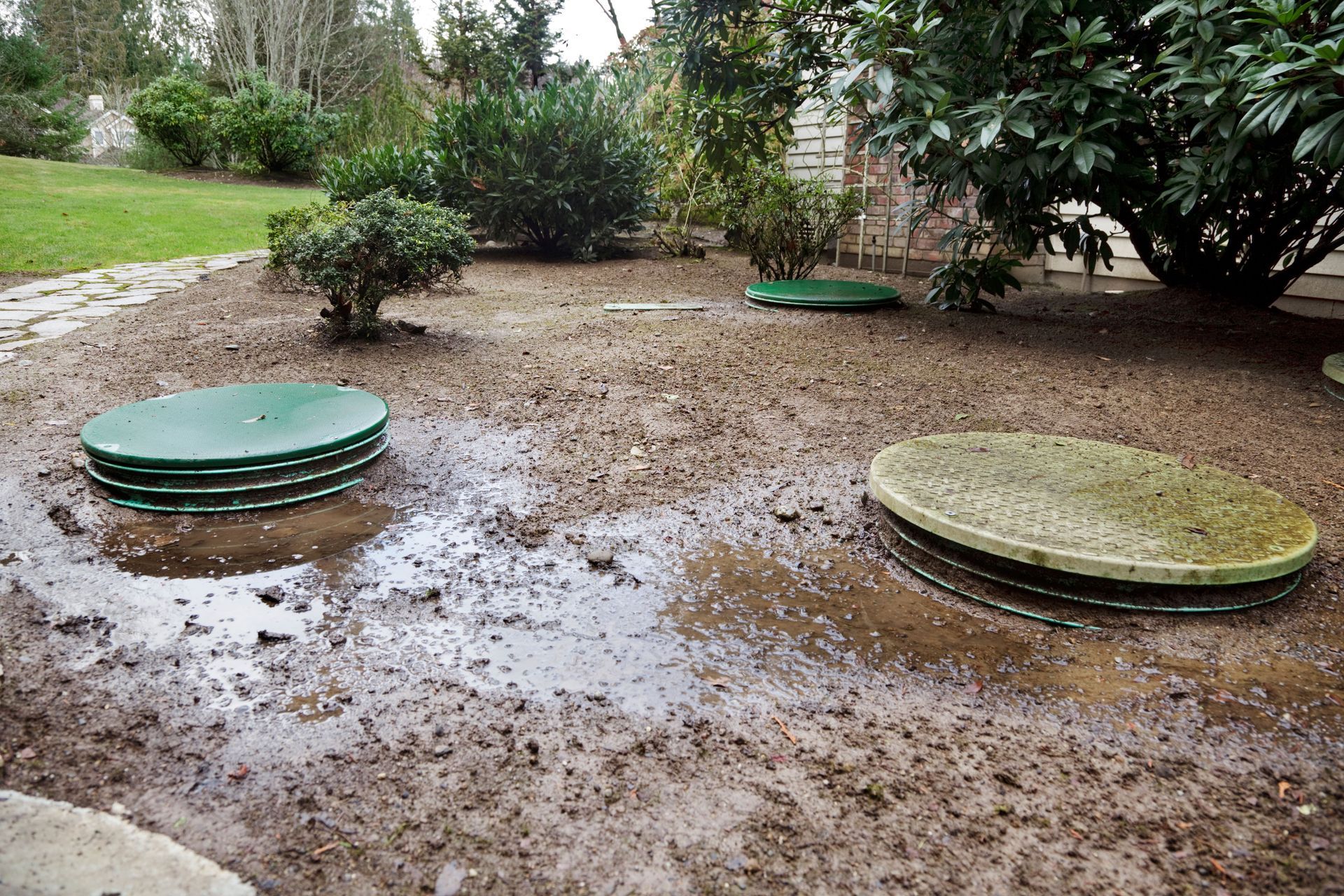
Unusually green patches in your yard may look appealing, but they often signal a leaking sewer line. Escaping wastewater acts as a fertilizer, causing grass to grow faster in specific areas. These spots may also feel damp or soft underfoot.
This type of damage typically indicates a break in the line beneath the surface. Addressing it early can limit repair costs and reduce the likelihood of a full sewer line replacement.
Frequent Backups and Clogs
Recurring clogs or sewage backups are serious warning signs that should not be ignored. These issues suggest a persistent obstruction or structural damage within the pipe. Temporary fixes rarely solve the root cause when backups continue to happen.
Repeated strain on your plumbing system can accelerate wear and lead to complete failure. In these situations, sewer line replacement may become the most reliable long-term solution.
Common Causes of Sewer Line Damage
Tree Root Intrusion
Tree roots are one of the most common causes of sewer line damage. They naturally seek out moisture and can enter even the smallest cracks in pipes. Once inside, they grow and expand, eventually blocking or breaking the line.
Routine inspections can help identify root intrusion before it becomes severe. If the damage is extensive, sewer line replacement may be required to restore proper function.
Aging Pipe Materials
Older homes often have pipes made from materials like clay or cast iron, which deteriorate over time. Corrosion, cracks, and general wear can compromise the system’s integrity. As pipes age, they become more susceptible to leaks and collapse.
According to Municipal Sewer & Water Magazine, if your sewer system is less than 30 years old, it can be repaired, while systems 50 years or older likely need to be replaced. Understanding the age of your system helps determine whether repair or sewer line replacement is the better option.
Ground Movement and Soil Shifts
Changes in the ground can place stress on underground pipes. Natural settling, seasonal expansion, or nearby construction can cause pipes to shift or crack. Even small movements can disrupt alignment and lead to long-term damage.
Monitoring your property for signs of shifting soil can help you catch issues early. Severe misalignment often requires sewer line replacement to restore proper flow.
High Water Pressure
Excessive water pressure can strain your plumbing system over time. Pipes are designed to handle a specific range of pressure, and exceeding that limit increases the risk of cracks or bursts. This issue is especially problematic in older systems.
Managing water pressure can extend the lifespan of your pipes. When damage has already occurred, sewer line replacement may be necessary to prevent future failures.
Corrosion and Rust
Metal pipes are particularly vulnerable to corrosion and rust. Over time, these processes weaken the structure of the pipe and create small openings that can expand. Eventually, the pipe may fail.
Regular maintenance can slow this deterioration, but advanced corrosion often leads to sewer line replacement. Upgrading to modern materials can improve durability and performance.
Evaluating Sewer Line Condition
Camera Inspections
Camera inspections are one of the most effective ways to assess sewer line health. A small camera is inserted into the pipe to provide a clear view of its interior. This allows professionals to identify cracks, blockages, and other issues accurately.
Using this technology helps determine whether repairs are sufficient or if sewer line replacement is required. It also minimizes guesswork and ensures targeted solutions.
Dye Testing Methods
Dye testing is another useful technique for detecting leaks. Colored dye is introduced into the system, making it easier to trace escaping water. This method helps pinpoint problem areas that may not be visible otherwise.
When leaks are widespread, dye testing can confirm the need for sewer line replacement. It is a simple yet effective way to evaluate system performance.
Mapping the Sewer Line
Mapping your sewer line provides a detailed understanding of its layout and condition. This process identifies the exact location of pipes, connections, and potential problem areas. It is especially useful for older properties with limited documentation.
Having a clear map allows professionals to plan repairs or sewer line replacement more efficiently. It also reduces disruption during the repair process.
When Replacement Becomes the Best Option
While many sewer issues can be repaired, there are situations where replacement is the most practical solution. Extensive damage, recurring problems, or outdated materials often make repairs less effective. In these cases, sewer line replacement provides a more reliable and long-lasting fix.
Modern replacement methods are more efficient and less invasive than in the past. Homeowners can benefit from improved performance, fewer future repairs, and increased property value. Investing in sewer line replacement can ultimately save time and money in the long run.
Sewer line problems can develop gradually, but their impact can be significant if left unaddressed. Recognizing early warning signs such as slow drains, odors, and frequent backups helps you act before damage escalates. Understanding the common causes also allows you to take preventive measures and protect your system.
When issues become severe or persistent, sewer line replacement may be the most effective solution. By combining regular inspections with timely action, homeowners can maintain a dependable plumbing system and avoid unexpected disruptions. A proactive approach ensures long-term performance and peace of mind. For more information, contact Superior Sewer & Plumbing.