February 5, 2026
Maintaining an efficient plumbing system is essential for any property connected to a sewer line. With the majority of households relying on public infrastructure, proper maintenance plays a key role in preventing backups and costly repairs. In fact, 80% of the country's population utilizes public sewers, according to the National Library of Medicine. Two commonly used maintenance methods, sewer cabling and hydro jetting, each offer unique benefits and limitations. Understanding how these techniques differ helps homeowners and professionals choose the most appropriate solution for their plumbing needs.
Understanding Pipe Snaking
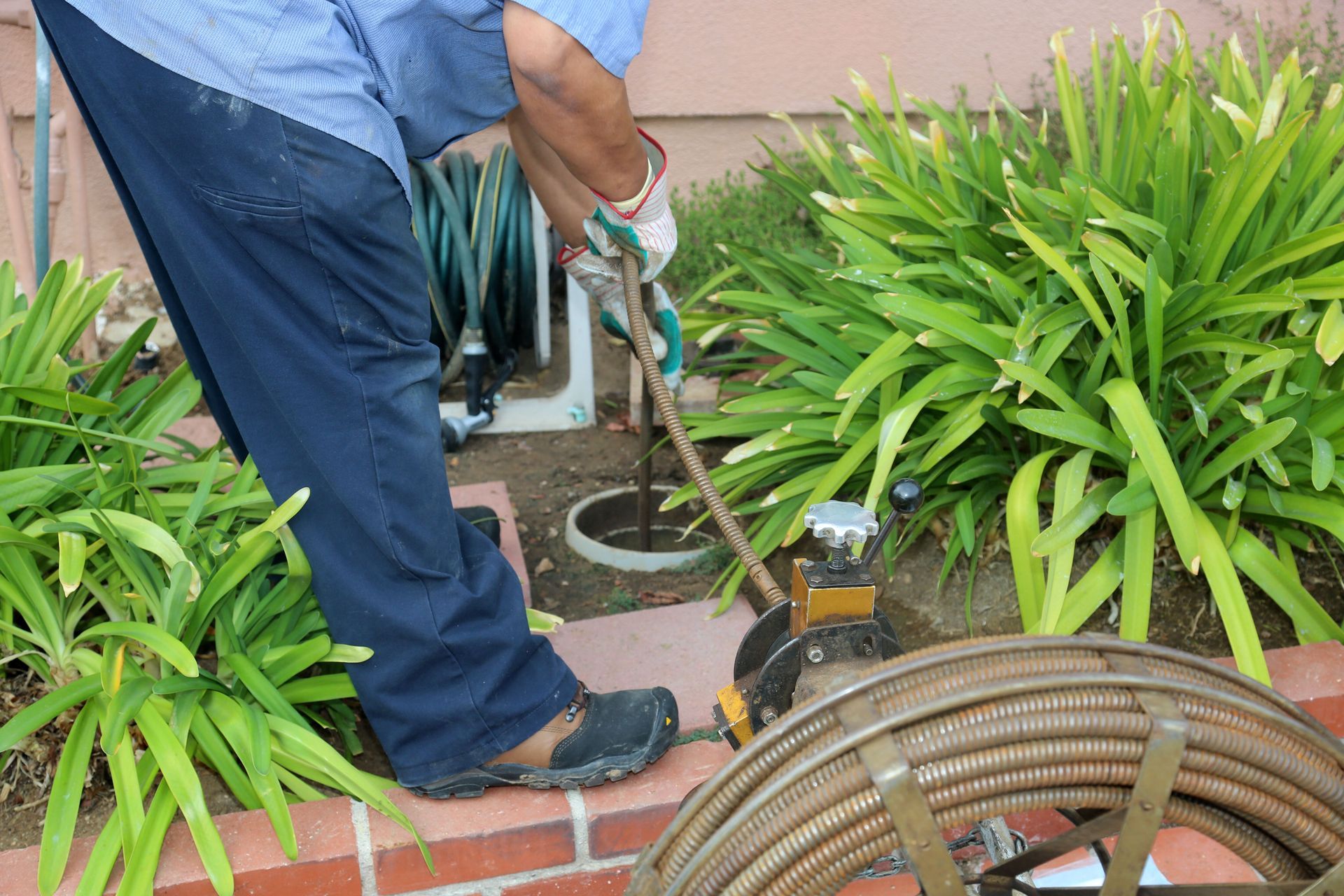
Sewer cabling, often called snaking, has been used for centuries as sewer systems evolved alongside growing cities. Early methods relied on basic tools, but advances in technology led to the development of flexible metal cables that improved efficiency and reach. By the 20th century, snaking became a standard plumbing practice. Today, it uses modern materials and equipment to clear common blockages while remaining a dependable option for routine maintenance.
The process involves feeding a rotating metal cable with an attached blade into a sewer line to break up debris and clear obstructions. Mechanical or electric power helps drive the cable through soft clogs, small tree roots, and household buildup such as food debris or hair. Sewer cabling is widely used due to its affordability, quick deployment, and suitability for older or delicate plumbing systems. While it may struggle with heavy grease buildup or deep blockages, professionals often recommend it as an effective first step in diagnosing and resolving typical residential sewer issues.
Exploring Hydro Jetting
Hydro jetting represents a major advancement in sewer cleaning technology, originally developed for industrial use before becoming widely adopted in residential plumbing. The method uses high-pressure water streams to clean the interior surfaces of pipes, removing buildup that traditional techniques often leave behind. Improvements in pump systems and nozzle design have increased its efficiency over time, making it adaptable to many pipe sizes and conditions. Today, hydro jetting is valued for its ability to handle severe clogs while supporting long-term pipe maintenance.
The process typically begins with a camera inspection to locate blockages, followed by the controlled application of high-pressure water to remove grease, mineral deposits, roots, and debris. Hydro jetting is known for its thorough cleaning and environmentally friendly approach, as it relies only on water rather than chemicals. While highly effective, it can be more expensive and may not be suitable for older or fragile pipes. For newer residential systems, commercial settings, and situations involving stubborn buildup, hydro jetting is often recommended as both a corrective and preventative solution.
Comparing Costs
Snaking typically has lower upfront costs than hydro jetting, largely due to simpler equipment and less specialized operation. Hydro jetting requires advanced machinery and trained technicians, which results in higher initial service fees. For homeowners focused on immediate affordability, sewer cabling often appears to be the more accessible option. Its lower entry cost makes it appealing for addressing minor or short-term plumbing issues. This approach is often chosen when a quick resolution is needed without a significant financial commitment.
Although hydro jetting costs more at the outset, its thorough cleaning can reduce the need for repeat service calls over time. Sewer cabling may lead to recurring visits if buildup is not fully removed, which can increase long-term expenses. Maintenance considerations also differ, as hydro jetting systems involve higher equipment upkeep while cabling relies on minimal tools. Choosing between the two methods often comes down to balancing short-term budget limits with the potential for long-lasting savings. Long-term planning can shift the value equation toward hydro jetting when persistent or severe issues are present.
Clearing Blockages Effectively
Sewer cabling works well for common household blockages caused by hair, food debris, and minor root intrusion. Its mechanical action breaks through soft materials that restrict flow, making it a practical choice for minor drainage issues. However, cabling may struggle with hardened grease, heavy scale, or extensive root growth, sometimes requiring repeat service. The effectiveness of this method largely depends on the type and severity of the blockage being addressed. Homeowners often find cabling useful as a first response before considering more intensive solutions.
Hydro jetting is better suited for stubborn obstructions such as heavy grease buildup, mineral deposits, and invasive tree roots. High-pressure water thoroughly cleans pipe walls, reducing residue that can lead to future clogs and making it effective for complex or high-use systems. While not appropriate for every pipe condition, hydro jetting is often preferred for long-term maintenance and severe blockages. Satisfaction with either method typically aligns with the specific plumbing problem, balancing effectiveness, cost, and the likelihood of repeat issues. Its preventative benefits can also extend the lifespan of plumbing systems by minimizing recurring blockages.
Considering Environmental Impact
Snaking is often viewed as an environmentally friendly option because it does not depend on chemicals or high water consumption. Its mechanical operation generally uses fewer resources and poses minimal risk to pipe integrity, which helps limit environmental impact from repairs. However, if blockages are not fully cleared, repeat service visits may increase energy use and transportation demands. Overall, snaking appeals to eco-conscious consumers seeking controlled resource use for routine plumbing maintenance. This method can also reduce carbon emissions associated with frequent heavy equipment use.
Hydro jetting also offers environmental advantages by relying solely on water to remove buildup, avoiding chemical pollutants and supporting longer pipe life. While the process requires higher water usage, modern equipment helps regulate flow and reduce waste. Proper handling of removed debris and wastewater is essential for both methods to meet environmental standards. Choosing between sewer cabling and hydro jetting often involves balancing water consumption, waste management practices, and long-term sustainability goals. In some cases, hydro jetting can prevent future blockages, reducing the frequency of interventions and conserving resources over time.
Evaluating Safety Measures
Safety during sewer cabling depends on proper protective equipment, careful handling, and trained operation. Gloves and protective gear help prevent injuries from sharp debris, while controlled cable feeding reduces the risk of pipe or equipment damage. Training focuses on technique, awareness, and correct mechanical use to limit strain or accidents. When performed correctly, snaking offers a relatively straightforward and controlled approach for clearing minor blockages with minimal risk to operators or plumbing systems.
Hydro jetting involves greater safety considerations due to high-pressure water exposure and protective equipment. Operators rely on protective clothing, masks, and remote tools to reduce splashback and physical hazards. Proper training is essential to manage pressure levels and avoid damage to vulnerable or aging pipes. In emergencies, snaking is often used for quick relief, while hydro jetting is reserved for more severe blockages that require a thorough approach. Selecting the appropriate method depends on blockage severity, pipe condition, and the need for a safe, timely response.
Ultimately, choosing between sewer cabling and hydro jetting depends on the condition of the plumbing system and the type of blockage involved. Snaking remains a practical option for routine maintenance and minor obstructions, while hydro jetting is better suited for severe buildup and long-term cleaning needs. Homeowners should weigh factors such as budget, environmental considerations, maintenance frequency, and safety requirements when making a decision. Working with experienced plumbing professionals helps match the right method to the system, supporting lasting performance and reliable plumbing operation. Schedule your plumbing service today with Superior Sewer Co for fast, reliable solutions to keep your pipes flowing smoothly.